
Author Archives: Happiness To Work

British Columbia (B.C.)’s Pay Transparency Act

On May 11, 2023, the government of British Columbia (B.C.), Canada, passed the Pay Transparency Act, which mandates the collection, disclosure, and reporting of pay information. This legislation is primarily designed to promote gender equity in the workplace and reduce wage gaps between genders. Additionally, it encourages employers to be more transparent about compensation, helping to close salary disparities between men and women (BC News, 2023). Furthermore, this regulation leverages transparency as a tool to ensure that companies value work appropriately based on fair compensation levels. Employers are required to issue timely pay reports, allowing the market to determine wage rates more accurately. Without a doubt, the Pay Transparency Act plays a significant role in improving standards related to fair salaries and discouraging inequality in both opportunities and wages across society.

Being recognized as an equitable employer is a fundamental goal for any organization. Compensation must be fair for all employees, devoid of any discrimination. An inequitable reward system can lead to undesirable consequences, such as increased employee turnover and reduced work motivation. This underscores the necessity for organizations to implement a well-structured compensation strategy, which aligns with the primary objective of this legislation.

British Columbia’s Pay Transparency Act differs from other jurisdictions with pay equity legislation, as it requires employers to provide greater disclosure regarding compensation and prohibits them from considering gender as the sole factor in determining wages (Shaw & Grant, 2023). While most other provinces focus solely on equalizing male and female earnings for similar roles, this legislation defines additional protected grounds such as disability, age, and employment status. By doing so, it ensures broader coverage of equitable wage distribution across all sectors of society.

According to this legislation, businesses in British Columbia are required to establish an equal pay policy that prevents wage disparities for comparable work based on ethnicity, race, or gender. Moreover, the regulation mandates that businesses publish regular reports disclosing pay rates upon request by individual employees or union representatives. These reports must include detailed job descriptions, such as working hours, required skills, and associated duties (Garrett, 2023). Additionally, the legislation requires employers to conduct regular analyses of their compensation practices to eliminate any gender-based wage discrimination.

Although the Pay Transparency Act aims to enhance pay transparency and eliminate wage disparities, transparency alone may not be sufficient to achieve equitable pay. Wage gaps often stem from direct discrimination, unconscious bias, or lack of information. Therefore, proactive measures must be taken to ensure that employees in similar positions receive fair compensation, rather than merely disclosing pay information. These measures could include increasing access to higher-paying jobs for women and implementing stricter, more comprehensive regulations regarding hiring practices.

What are your thoughts on British Columbia’s Pay Transparency Act? Is pay equity truly achievable? Share your insights on compensation legislation in your region or country!


Turning Underperformance into an Opportunity for Growth

In the dynamic world of human resources, underperformance is often viewed as a challenge that must be addressed swiftly. However, what if we shifted our perspective and saw it as an opportunity for growth instead? Employees struggling to meet expectations may not lack potential; they may simply need the right guidance, motivation, and support to unlock it.

Understanding the Root Causes

Before taking corrective action, it is essential to understand why underperformance occurs. Factors such as lack of motivation, insufficient training, unclear expectations, or even personal challenges can impact an employee’s productivity. By identifying the root cause, organizations can implement strategies tailored to individual needs rather than resorting to immediate dismissals.

My Own Journey with Underperformance

At some point in my career, I faced this issue myself. There were times when I struggled with motivation, which directly affected my performance. Looking back, I realize that what I truly needed was clarity on my role, constructive feedback, and a sense of purpose. Overcoming this challenge was a journey, one that required self-reflection, support from my peers, and a willingness to grow. Having walked this path, I now see underperformance not as a dead-end but as a phase that, with the right approach, can lead to significant personal and professional development.

Strategies to Turn Underperformance into Growth

  • Provide Constructive Feedback: Instead of criticism, offer actionable insights. Regular check-ins and open conversations help employees understand where they stand and what they need to improve.
  • Set Clear Expectations: Sometimes, employees underperform simply because they are unsure of what is expected of them. Clearly defining goals, responsibilities, and success metrics eliminates ambiguity.
  • Offer Training and Development: Skill gaps can lead to frustration and inefficiency. Providing training sessions, mentorship programs, and learning opportunities can help employees enhance their abilities.
  • Foster a Motivational Work Environment: Motivation plays a key role in performance. Recognition, career advancement opportunities, and a positive workplace culture contribute to employee engagement.
  • Encourage a Growth Mindset: Employees should view challenges as learning experiences. Leaders who promote resilience and continuous learning empower their teams to push past obstacles.

A Culture of Support

Organizations that support struggling employees rather than immediately penalizing them create a culture of trust and long-term commitment. A well-guided employee can transform from an underperformer to a top performer when given the right tools and encouragement.

At Happiness to Work, we believe in fostering environments where individuals can thrive. Underperformance should not be seen as a failure, but as an opportunity to grow, learn, and achieve more than what was initially thought possible.

Have you ever experienced a period of underperformance? What helped you turn things around? Share your thoughts with us!


From Struggle to Strength: My HR Approach to Transform Underperformance into Potential

Dealing with underperformance has been one of the toughest but most valuable learning experiences in my HR career. I used to think that underperformance was simply about employees not working hard enough, but over time, I’ve realized that it’s rarely that simple. More often than not, there’s an underlying reason—lack of clarity, motivation, personal struggles, or even a mismatch between skills and responsibilities.

The First Time I Had to Address Underperformance 

I still remember the first time I had to handle an underperforming employee. I was new in my HR role, and eager to make a difference, and suddenly, I was faced with a team leader who was frustrated with one of his employees. The employee was missing deadlines, making frequent mistakes, and not meeting expectations overall.

At first, I wasn’t sure how to approach it. I could sense the pressure from the manager to “fix” the situation, and there was even talk of letting the employee go. But something didn’t sit right with me. I felt like there had to be more to the story. So instead of making any quick decisions, I decided to sit down and talk with the employee.

What I discovered completely changed my perspective. He wasn’t lazy or careless—he was overwhelmed. The workload had increased significantly in the past few months, and he felt like he was drowning but didn’t know how to ask for help. That conversation made me realize that underperformance isn’t just about capability; sometimes, it’s about circumstances.

What I’ve Learned About Handling Underperformance

Since that experience, I’ve developed my way of handling underperformance, and honestly, it comes down to a mix of patience, communication, and support.

1. Always Try to Understand the Root Cause 

I’ve learned never to assume that an employee is underperforming just because they’re not trying hard enough. I ask myself: Why is this happening? Is it a skills issue? A motivation problem? A personal struggle?

I once worked with someone who consistently missed deadlines. At first, it looked like a case of procrastination, but after talking to her, I realized she was dealing with anxiety about making mistakes. She was so afraid of failing that she was slowing herself down. That completely changed how we approached the problem—we focused on building her confidence instead of just pushing her to work faster.

2. Honest Conversations Are More Effective Than Immediate Warnings

Earlier in my career, I thought underperformance should be addressed with formal warnings or strict feedback. But I’ve realized that a genuine, open conversation is often much more effective.

I remember one case where an employee’s work quality had suddenly dropped. Instead of jumping to conclusions, I simply asked, “Hey, I’ve noticed some changes in your work lately. Is everything okay?” That small question opened the door to a conversation where he admitted he was going through a rough time personally. From there, we were able to find ways to support him while also keeping work expectations clear.

3. Clear Expectations Make a Huge Difference 

I’ve seen situations where employees were labelled as “underperformers,” but when I looked closer, the real issue was a lack of clarity. One employee told me, “I honestly don’t know what’s expected of me. I feel like I’m trying, but I don’t know if I’m doing it right.” That was an eye-opener for me.

Now, I make sure that expectations are crystal clear. Instead of just saying, “You need to improve,” I work with employees to break down specific goals: What exactly needs improvement? What does success look like? When we get on the same page, progress becomes much easier.  4. Support Can Change Everything.

I’ve seen employees turn things around completely when given the right support. Whether it’s extra training, mentorship, or just reassurance that they’re not alone, sometimes small changes can make a big impact.

One employee struggled with technical skills. His manager was frustrated and wanted to let him go. But when we provided him with structured training and paired him with a mentor, his performance improved within a few months. That experience taught me that sometimes, people just need the right tools to succeed.

5. Small Wins Matter-Really  ?/!

One of the biggest lessons I’ve learned is that progress should be recognized, even if it’s slow. I used to think that only big achievements deserved praise, but now I know that acknowledging small improvements can hugely boost motivation.

I make it a point to say things like, “I see the effort you’re putting in, and I appreciate it.” That simple acknowledgment can encourage an employee to keep pushing forward.

When Things Don’t Improve 

Of course, not every situation has a happy ending. There have been times when, despite all efforts, an employee’s performance just didn’t improve. Those situations are always difficult, but I’ve learned that fairness and dignity matter. If termination becomes necessary, I make sure the process is handled with respect, offering guidance on how they can transition to another role or improve their skills for the future.

My Biggest Takeaways as an HR Professional 

Underperformance is rarely about laziness. There’s usually an underlying reason.

A simple conversation can change everything. People just want to be heard.

Clear expectations prevent a lot of problems. If employees don’t know what’s expected, how can they succeed?

Support and training can make a bigger impact than discipline. Sometimes, people need the right guidance.

Motivation grows when efforts are recognized. Small wins matter.

When all else fails, handle things with fairness and respect. Letting someone go should never be done carelessly.

Final Thoughts 

Looking back, I feel grateful for the experiences I’ve had dealing with underperformance. It’s taught me patience, empathy, and the importance of communication. Every struggling employee has a story, and I’ve learned that my job as an HR professional isn’t just about enforcing rules—it’s about understanding people and helping them succeed.

If you’re in HR or a leadership role, I’d love to hear your thoughts. How do you handle underperformance in your workplace? Let’s share and learn from each other!

Employee Retention: Importance of Sustaining Talent

Human capital is the most valuable asset in any organization (Madgavkar et al., 2022). In today’s fast-changing environment, where organizations strive to be the best employers, attracting, recruiting, and retaining human capital has become a top priority. Organizations now rely on their HR departments more than ever to address these challenges effectively (Komm et al., 2021).

Employee retention is an essential component of organizational success. It is a critical strategy for organizations aiming not only for success but also for sustainability. Research shows that 14.48% of newly hired employees leave within the first six months (Schwantes, 2019). Employee retention refers to the policies and practices employers implement to retain their workforce and reduce turnover. High turnover adversely impacts overall productivity and team morale, while also increasing recruitment and training costs (Herrity, n.d.). Retaining employees is about more than just maintaining workforce numbers; it involves creating a workplace environment where employees feel valued, respected, recognized, and motivated to remain with the organization (10 Reasons Why Employees Stay in a Company | Thunderbird, n.d.).

Importance of Employee Retention in Organizations

1. Cost of High Turnover

Employee turnover is expensive. When an employee leaves, direct costs are incurred in recruitment, onboarding, and training their replacement. Indirect costs include lost productivity, reduced employee morale, and the risk of overburdening existing employees (The True Cost of Employee Turnover on Your Business, 2022).

2. Impact on Productivity and Performance

High turnover disrupts workflows, ultimately resulting in decreased productivity (Shenoy & IA EME Publication, 2016). Newly hired employees require time to reach optimal performance, and approximately 16.45% leave within their first week of joining, disrupting team harmony (Schwantes, 2019). Conversely, a stable workforce fosters better team dynamics and collaboration, leading to increased efficiency and productivity (Luther, n.d.).

3. Retaining Institutional Knowledge

Employees who stay with a company for the long term accumulate institutional knowledge, such as insights into organizational processes, client relationships, and industry nuances. This expertise is invaluable and irreplaceable when an employee leaves, potentially giving competitors an edge (Luther, n.d.).

4. Enhancing Employee Engagement and Morale

Focusing on employee retention sends a clear message that employees are valued. This, in turn, enhances engagement and morale. Increased employee engagement fosters commitment and productivity and motivates employees to go the extra mile for the company’s success (White & Johnson & Wales University, 2020).

5. Employer Brand

High turnover can harm an employer’s brand, affecting the business adversely. On the other hand, employees are more likely to be attracted to companies with good employee retention rates (SHRM-CP, 2023).

Factors Influencing Employee Retention

1. Workplace Culture and Engagement

A positive workplace culture reinforces team dynamics and reduces workplace conflicts. It promotes inclusivity, appreciates diversity, and fosters respect and collaboration, all of which enhance employee satisfaction. Satisfied employees are more likely to stay with the organization for an extended period (Kempton, 2023).

2. Competitive Compensation and Benefits

Fair pay and comprehensive benefits signal that the company values its employees. Studies show that salary is one of the top reasons employees switch jobs (5 Key Facts About Workers in 2022, 2022). Additionally, benefits play a crucial role in attracting and retaining talent (Kempton, 2023).

3. Opportunities for Growth

Employees are more likely to remain with organizations that provide opportunities for career advancement. Research indicates that 73% of employees value career growth within their organization (Kempton, 2023).

4. Work-Life Balance

Flexibility in work arrangements helps employees maintain a healthy work-life balance. Lack of work-life balance is the second most cited reason for switching jobs (5 Key Facts About Workers in 2022, 2022). Trusting employees to deliver results regardless of their work location fosters loyalty (Kempton, 2023).

5. Recognition and Appreciation

Acknowledging employees for achieving targets and contributing to organizational goals instills motivation and encourages loyalty (Kempton, 2023).

6. Positive Onboarding Experience

A positive first impression is crucial, as there is a high tendency for turnover within the first six months of employment (Schwantes, 2019). Onboarding should involve team members and supervisors from various departments to familiarize new hires with the culture and make them feel welcomed and included (Main, 2024).

7. Establishing Open Communication

Regular check-ins, performance reviews, and feedback mechanisms build employee confidence. Encouraging and appreciating employees for their work fosters trust and engagement (Main, 2024).

In my personal opinion, employee retention is not merely an essential business decision but a reflection of an organization’s values and priorities. Organizations that take proactive initiatives to preserve their workforce demonstrate respect and commitment toward their employees. Such gestures foster genuine loyalty and a sense of belonging among employees, going beyond just monetary compensation.

While competitive pay and benefits are important, cultivating a culture of inclusivity and providing opportunities for meaningful work, professional and personal growth are equally important in motivating employees to stay with an organization in the long-term. When employees feel valued, they are more enthusiastic about contributing to organizational goals. This enthusiasm drives improved performance and its subsequent recognition, ultimately leading to employee satisfaction and, in turn, organizational success. Implementing well-thought-out retention strategies is an ongoing commitment to fostering an environment where employees feel empowered to grow and succeed.

In conclusion, employee retention is a multifaceted challenge that requires a strategic approach. By addressing factors such as workplace culture, competitive compensation, and work-life balance, organizations can create an environment where employees thrive. Retention is not just about keeping employees; it is about building a resilient and engaged workforce that drives long-term success. Prioritizing these factors today will yield significant benefits for organizations in the future.

What are some of your practices or ideas for actively retaining talent? Share your thoughts with us in the comments!

HR Trends in 2025

HR Trends in 2025: Innovations and Positive Impacts on People and Organizations

The future of Human Resources (HR) is here, and 2025 is proving to be a year of transformative change. With workplaces evolving faster than ever, HR professionals are stepping up to reshape how organizations operate, adapt, and thrive. From groundbreaking technology to people-centric strategies, these trends are not just theoretical; they’re redefining success for individuals and organizations alike. Let’s dive into the trends that are making waves and how they’re setting the stage for a better future of work.


1. Emphasis on Employee Experience Over Engagement

Why it’s a Game-Changer
Employee engagement was the buzzword of 2024, but in 2025, it’s all about the employee experience (EX). Companies are taking a holistic approach by focusing on well-being, career development, inclusivity, and work-life integration—not just engagement scores.

What it Means for Organizations
When employees feel valued and supported, the benefits are undeniable: higher retention, increased productivity, and a strong employer brand that attracts top talent. It’s about crafting an environment where people don’t just work—they thrive.

2. AI-Driven Personalization in HR

The Rise of AI-Powered Solutions
Artificial Intelligence (AI) has been a critical player in HR, but 2025 takes it up a notch. Gone are the days when AI was limited to recruitment and performance tracking. Today, it’s driving personalized solutions—tailoring learning programs, career paths, and even benefits to individual needs.

Why It Matters

  • Employees get customized growth opportunities aligned with their aspirations.
  • AI’s ability to mitigate unconscious bias fosters diversity and inclusion.
  • HR teams save time and resources, allowing for strategic focus.

This level of personalization is not just a tool; it’s a strategy for building a future-ready workforce.

3. Hybrid Work Evolves to “Work from Anywhere”

Breaking Free from Boundaries
Hybrid work models are so 2024. This year, it’s all about work-from-anywhere policies. Supported by robust digital infrastructure and trust-based management, organizations are embracing true flexibility.

The Benefits

  • Employees experience unparalleled freedom, reducing burnout and enhancing mental health.
  • Organizations tap into a global talent pool, transcending geographical limitations.
  • Reduced office costs coupled with higher employee satisfaction create a win-win situation.

This shift is not just about flexibility—it’s about creating a culture of trust and empowerment.

4. Mental Health Becomes a Strategic Priority

A Healthier Workforce is a Happier Workforce
Mental health isn’t just a conversation anymore—it’s a strategic pillar. In 2025, HR leaders are weaving mental health initiatives into the very fabric of their organizations. From emotional intelligence training for leaders to preventive measures, the focus is on creating resilience and security.

What’s in it for Everyone

  • Lower absenteeism and turnover rates.
  • Employees feel supported, fostering a positive workplace culture.
  • Enhanced collaboration and morale drive better organizational outcomes.

5. Skill-Based Hiring and Internal Mobility

A Shift in Hiring Paradigms
Degrees are out; skills are in. The trend of skills-based hiring is gaining unstoppable momentum in 2025. Organizations are also doubling down on internal mobility, empowering employees to upskill and climb the career ladder.

Why It’s Revolutionary

  • Employees feel valued and see clear paths for growth.
  • Organizations save on hiring costs by leveraging internal talent.
  • A culture of continuous learning drives adaptability in a fast-changing world.

6. ESG Integration into HR Policies

Putting Values into Action
Environmental, Social, and Governance (ESG) metrics are no longer buzzwords. In 2025, HR departments are embedding ESG principles into every aspect of their policies, from recruitment to employee engagement initiatives.

The Ripple Effect

  • Employees take pride in working for ethically and socially responsible organizations.
  • Trust from stakeholders, customers, and employees deepens.
  • Organizations align with sustainability goals, driving long-term success.

7. Inclusive Leadership and Diversity

Leading with Belonging
2025 takes diversity and inclusion to the next level with inclusive leadership. Leaders are trained to create environments where everyone’s voice is heard, and diverse perspectives are not just welcomed but celebrated.

The Payoff

  • Innovation thrives in diverse teams.
  • Employees feel represented and empowered.
  • Organizations build stronger, more creative teams ready to tackle any challenge.

Wrapping It All Up

The HR trends of 2025 are bold, innovative, and deeply human. By embracing personalization, inclusivity, and sustainability, organizations are not just improving employee well-being but building a future of trust, loyalty, and adaptability. HR professionals are at the heart of this transformation, proving that when people grow, organizations flourish.

AI Tools in Recruitment: Helping to make our life easy


In today’s fast-paced recruitment world, leveraging AI tools has become essential. At Happiness to Work, we use a range of AI-driven tools to optimize our recruitment process, and I’d love to share some insights, including the tools we rely on daily.

1. Scheduling and Interview Management

Managing appointments can be a huge time drain. I use Calendly, which is a lifesaver for scheduling interviews efficiently. It eliminates the back-and-forth emails and let candidates choose a time that works best for them. This way, my calendar is always organized, and no one feels left out.

2. Communication and Collaboration

Communication is key when working in a fast-paced, remote-first world. For team messages, we rely on Slack to keep everything centralized. It’s perfect for keeping communication transparent and fast, especially across different departments. For international calls or candidate interviews, Skype is my go-to. It allows me to easily connect with candidates from all over the world, ensuring a smooth communication process.

3. Platforms for Candidate Sourcing

When it comes to sourcing candidates, we use LinkedIn, Indeed for International positions, and OCC for positions in Mexico. These platforms, coupled with AI algorithms, help us filter through massive amounts of applicants to find the ones with the right experience and skillset. It’s about quality, not just quantity, and using these platforms helps me streamline that process. LinkedIn’s AI features, like recommended candidates, make it much faster to find the right fit.

4. Team Organization and Task Management

Managing projects and deadlines efficiently is crucial in recruitment, so I use Monday.com to organize team tasks. With AI helping to track progress and deadlines, it’s easier for everyone to stay aligned and on top of the recruitment cycle. It makes complex projects feel manageable by breaking them into smaller, trackable tasks. Also allows all the team to be on the loop of the tasks of everybody in case someone is not available one day.

5. Document Sharing and Collaboration

For document sharing and internal collaboration, Google Drive is our solution. We share candidate profiles, resumes of candidates, interview notes, and progress reports seamlessly. AI-backed search functions within Google Drive also make finding the right documents a breeze, saving us tons of time.

6. Enhancing Candidate Experience with Chatbots

Many companies are also integrating AI chatbots to enhance candidate experiences. Chatbots handle initial inquiries and provide candidates with updates or answers to FAQs 24/7. While we haven’t fully embraced chatbots yet, they’re becoming popular in many recruitment strategies, and I can see the value in having that round-the-clock engagement with candidates.

At Happiness to Work, AI tools help us become more efficient, but recruitment is still deeply personal. Balancing automation with human interaction is key, especially when building relationships with candidates. These tools free up our time for what really matters, finding the best talent and ensuring a smooth, engaging recruitment process for everyone involved.

If you’re in recruitment or HR, I highly recommend integrating some of these tools into your workflow. The more organized and efficient your systems, the more you can focus on connecting with candidates and making great hires!

I would love to hear from you!! Which AI tools are making a difference in your workflow? Let’s chat!

The Challenges of Remote Recruitment

Remote work has transformed recruitment, offering flexibility for both companies and candidates. However, hiring for remote positions comes with unique challenges that require more attention and careful navigation. Here’s what I’ve learned so far:

1. Finding the Right Fit

Remote roles require self-motivation, strong communication, and time management. Screening for these soft skills is crucial. AI tools and behavioral assessments can help identify candidates who thrive in autonomous environments.

2. Overcoming Communication Barriers

In remote settings, clear communication is everything. Companies need to ensure candidates are skilled at asynchronous communication (like emails or messaging apps) and can stay productive without direct supervision.

3. Maintaining Engagement

Keeping candidates engaged throughout a longer, fully remote hiring process can be tricky. Regular updates and transparency about the next steps are essential to keeping top talent interested. Automated tools, like chatbots or follow up mails, can also assist in keeping candidates informed.

4. Time Zone and Cultural Differences

When hiring globally, time zone differences can complicate collaboration. Recruiters must assess the candidates availability and cultural adaptability, ensuring they can integrate smoothly with teams spread across different regions.

5. AI Tools in Recruitment

As more companies embrace AI tools for screening, interviewing, and onboarding, understanding how to leverage technology to find the best talent is critical. Automating early stage recruitment tasks like CV screening or scheduling can improve and smooth the process, but human oversight is still important to ensure the candidate experience remains personal.

Despite the challenges of remote recruitment, I believe it’s one of the most practical ways to expand the reach of companies and candidates. It breaks down geographical barriers, opening up the potential to find the perfect candidate anywhere in the world. The process may require more strategic handling, but the opportunity to globalize your talent pool makes it incredibly worthwhile. It’s not just about finding someone who fits the role it’s about finding the ideal match for the future of your business.

Navigating the Challenges of Recruiting a Virtual Administrative Assistant: A Real-Life Case Study

We recently embarked on a mission to find the perfect Virtual Administrative Assistant to keep the bustling real estate business running smoothly. This role was vital, as our client needed someone who could seamlessly manage a variety of tasks while working remotely. Here’s a behind-the-scenes look at our recruitment journey, the hurdles we faced, and the lessons we learned along the way.

The Need for Speed (and Skill)

Our goal was clear: find an experienced assistant with a strong background in real estate, who’s also a pro at working virtually. We wanted someone bilingual in English and Spanish, who could handle everything from managing databases to scheduling closings, all while keeping the gears turning behind the scenes. Easy, right? Well, not quite.

We knew the clock was ticking, and with just one position to fill, we needed to move quickly. So, we turned to trusted platforms like OCC and LinkedIn to cast our net wide and start reeling in candidates.

The Recruitment Rollercoaster

The process started smoothly. We posted the job, and within no time, we had a promising pool of candidates. The first round of interviews was handled by us, we did an excellent job of narrowing down the field. The finalists then moved on to interviews with the Hiring Manager, along with a personality test to ensure a good cultural fit.

However, this is where things got tricky. The Hiring Manager, who was already juggling a million tasks, found it challenging to keep up with the pace of the recruitment process. Communication lagged, follow-ups were delayed, and as the days turned into weeks, we found ourselves in a bit of a predicament.

Keeping Candidates Engaged: A Lesson in Patience

One of the biggest challenges we faced was keeping our top candidate interested despite the delays. It wasn’t easy, but we focused on maintaining open lines of communication, even when we didn’t have immediate updates to share. We made sure to address any concerns the candidate had and reassured them that they were still in the running. It was all about managing expectations and keeping the momentum going, even when things weren’t moving as fast as we’d hoped.

The Outcome: Worth the Wait

In the end, we found the right candidate. While the process took longer than anticipated—about a month from start to finish—the quality of the candidates we had was impressive. The new team member has already hit the ground running, and we’re thrilled with how well she’s fitting in.

What We Learned (So You Don’t Have To)

  • Communication is Key: We realized the importance of setting clear expectations with the Hiring Manager from the get-go. In future recruitments, we’ll make sure everyone is on the same page regarding timelines and the process.
  • Stay Calm and Carry On: Even when things aren’t going as planned, it’s crucial to stay calm and keep the candidates engaged. Transparency and honesty go a long way in maintaining trust.
  • Always Have a Plan B: We learned the value of having backup candidates ready, just in case things don’t go as planned with the first choice.

Final Thoughts

Recruiting can be a bumpy ride, especially when unexpected delays crop up. But with a little patience, a lot of communication, and a commitment to keeping candidates in the loop, you can still come out on top. At Happiness to work we’re excited to see how the new assistant will contribute to the continued success of the company of our client—and we’re ready to tackle the next recruitment challenge with the lessons we’ve learned firmly in hand.

Thanks for following along with our journey! If you’re in the real estate business or recruitment business and have had similar experiences, we’d love to hear your stories. Drop a comment below or get in touch—we’re always up for a chat!


Best Practices for Companies: AI Trends in Recruitment

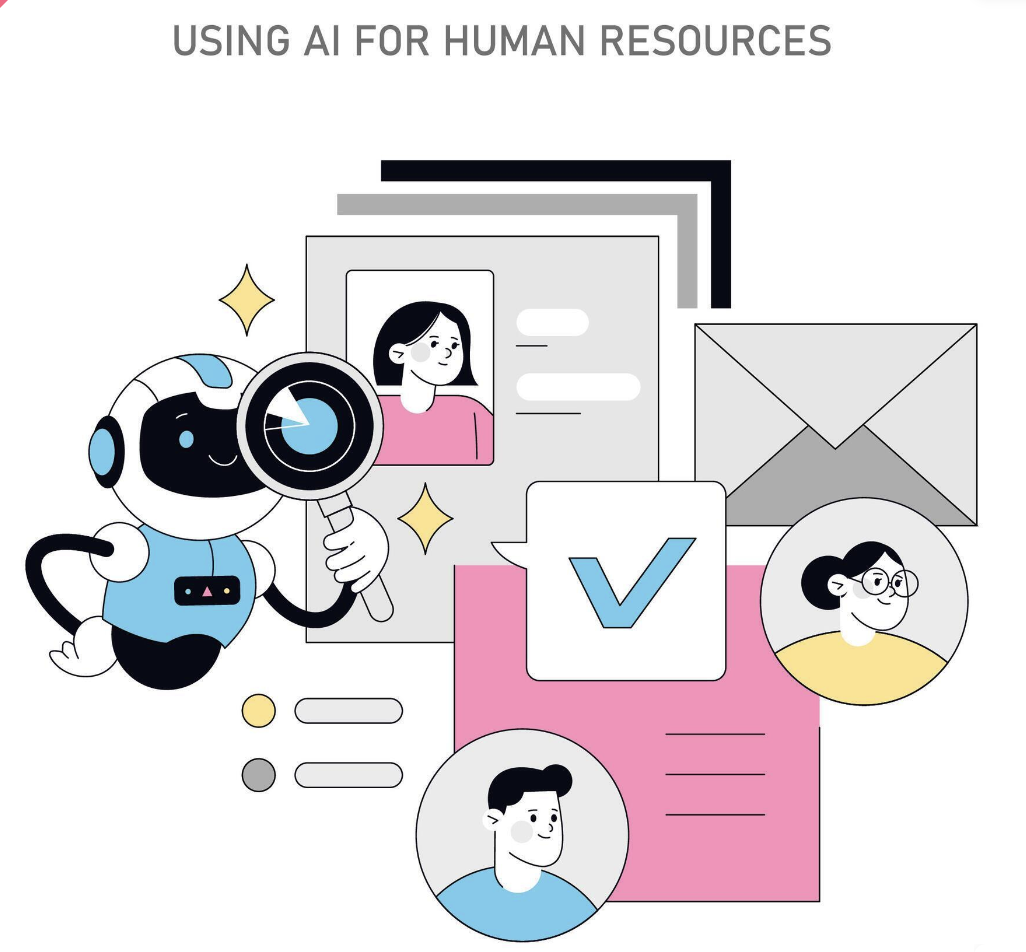
Artificial intelligence (AI) is revolutionizing the recruitment world. Companies adopting these technologies not only streamline their selection processes but also improve the quality of their hires. In this article, we explore some of the best practices for integrating AI into recruitment and how these trends are transforming the way companies find and retain talent.

  1. Implementing Chatbots for Initial Communication
  • Description: Chatbots can interact with candidates in the early stages of the selection process, answering frequently asked questions and collecting basic information.
  • Advantages: 24/7 availability, reduced workload for the HR team, and improved candidate experience.
  • Best Practice: Configure chatbots to provide quick and accurate responses and ensure they can escalate to human interactions when necessary.
  1. Automated CV Screening
  • Description: Using AI software to analyze CVs and cover letters can quickly and efficiently identify the most suitable candidates.
  • Advantages: Time-saving, reduction of unconscious bias, and more accurate pre-selection.
  • Best Practice: Use algorithms that are constantly updated to reflect changing job requirements and avoid relying solely on keywords.
  1. AI-Assisted Interviews
  • Description: Platforms that use AI to analyze recorded interviews evaluate aspects such as body language, tone of voice, and candidates’ responses.
  • Advantages: More objective and detailed evaluations, identification of soft skills, and detection of inconsistencies.
  • Best Practice: Complement these evaluations with in-person interviews for a comprehensive assessment and maintain transparency with candidates about AI usage.
  1. Predictive Analysis for Talent Retention
  • Description: Using AI to analyze historical data and predict which candidates are most likely to succeed and stay long-term in the company.
  • Advantages: Improved quality of hires and reduced employee turnover.
  • Best Practice: Ensure predictive models are based on diverse and updated data, and periodically review their accuracy and effectiveness.
  1. Automation of Administrative Tasks
  • Description: AI can automate repetitive administrative tasks, such as scheduling interviews and sending follow-up emails.
  • Advantages: Greater efficiency and freed-up time for the HR team to focus on strategic tasks.
  • Best Practice: Implement solutions that easily integrate with your current systems and train staff to maximize their use.
  1. Continuous Improvement through People Analytics
  • Description: People analytics uses AI to analyze data on employee performance and well-being, providing valuable insights for decision-making.
  • Advantages: Data-driven decisions and better understanding of employees’ needs and behavior.
  • Best Practice: Foster a culture of data analysis and make decisions based on concrete insights, ensuring employees’ privacy and consent.

Integrating artificial intelligence into recruitment is transforming the way companies attract, select, and retain talent. Adopting these best practices not only optimizes HR processes but also positions the company at the forefront of innovation in talent management. As technology continues to advance, it is essential for organizations to stay informed and adaptive to fully leverage the advantages that AI can offer.